


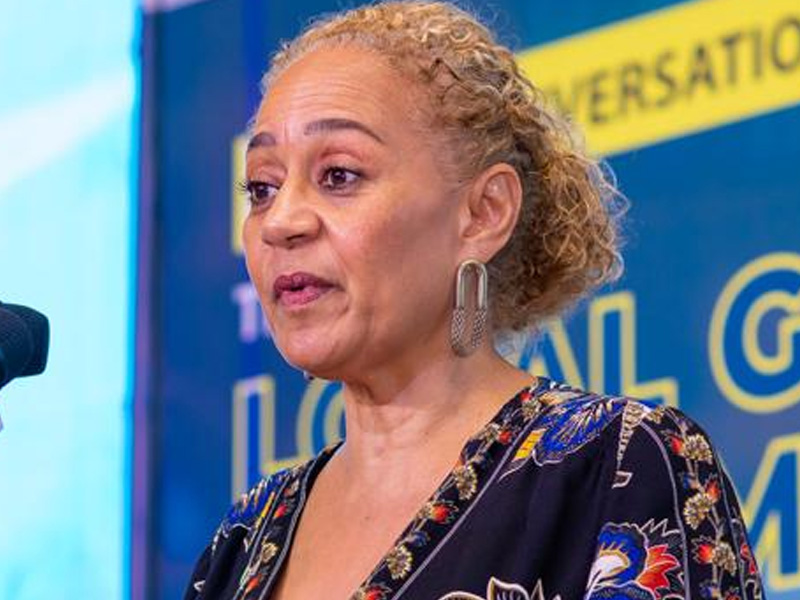
A UK journalist has questioned the United Kingdom’s annual aid to Nigeria, arguing that the funds could be contributing to corruption in a country she says loses approximately $15 billion annually to corrupt practices.
The journalist made the remarks while discussing the effectiveness of foreign aid and whether wealthy countries should continue providing financial assistance to nations that have substantial domestic wealth but struggle with corruption and economic challenges.
According to her, the UK currently provides Nigeria with approximately £136 million in aid annually, while the country is estimated to lose around $15 billion each year to corruption.
She questioned the rationale behind the financial support, suggesting that some of the money provided by donor countries could indirectly sustain corrupt systems rather than address the underlying economic problems.

“We currently give Nigeria £136 million a year, right? They have £8.5 million there, and they lose approximately $15 billion a year in corruption,” she said.
The journalist further argued that Nigeria has a significant number of wealthy individuals, raising questions about why the country continues to receive foreign assistance despite the substantial amounts of money allegedly lost through corruption.
She also expressed concern that funds intended to support development could end up reinforcing the same problems they are meant to solve.
“So we are giving money to a country that already has a great number of very wealthy people in it, and also this money will be fuelling the corruption. So I don’t think we should be giving it,” she added.
Expanding her argument beyond Nigeria, the journalist said foreign aid could sometimes encourage dependency and weaken countries’ efforts to develop their economies independently.
“There’s no doubt that aid funnels corruption in certain countries. It also infantilises them,” she stated. She also referenced concerns expressed by some Africans about the perception that wealthy Western nations are rescuing poorer countries, arguing that many would prefer opportunities to strengthen their economies and become financially independent.
According to her, African countries should be able to build sustainable economic systems rather than continually depend on financial assistance from foreign governments…


No Comment